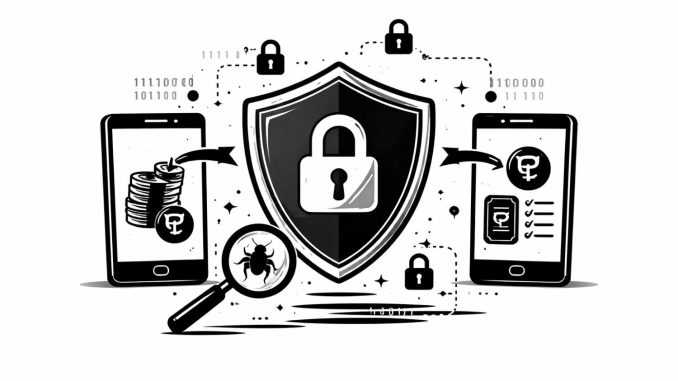
The Reserve Bank of India (RBI) has introduced a new set of cybersecurity rules for peer-to-peer (P2P) lending platforms, tightening digital security standards across the fast-growing fintech sector.
The move comes as online lending continues to expand rapidly, bringing millions of new users into digital credit systems. The RBI says stronger security is needed to protect sensitive financial data and prevent fraud.
The new mandate will apply to all NBFC-P2P platforms operating in India and is expected to reshape how these companies handle data, technology systems, and customer protection.
New RBI Cybersecurity Rules for P2P Lending Platforms
Under the updated framework, all peer-to-peer lending companies must follow stricter cybersecurity practices.
The RBI has asked platforms to strengthen data protection systems, monitor cyber threats continuously, improve incident reporting mechanisms, and implement stronger access controls. The central bank says the goal is to create a uniform cybersecurity standard across all P2P lending companies.
Why the RBI Introduced the New Mandate
The RBI’s decision comes amid rising concerns over data breaches in fintech companies, unauthorised access to customer information, phishing attacks, and digital lending scams.
Peer-to-peer lending platforms handle large volumes of personal and financial data, including bank details, identity documents, credit records, and transaction histories. The RBI says any security lapse in such platforms can cause serious financial and privacy risks for users.
What Are P2P Lending Platforms
Peer-to-peer lending platforms are digital marketplaces that connect borrowers directly with individual lenders.
Instead of taking loans from banks, borrowers can get funds from multiple investors through a regulated platform. These companies operate as NBFC-P2P entities under RBI regulations.
They offer fully digital onboarding and loan processing, small-ticket personal loans, automated credit checks, and quick disbursal and repayment systems. Over the past few years, the sector has grown quickly due to rising digital adoption.
Key Cybersecurity Requirements in the New Framework
The RBI’s new guidelines focus on multiple layers of protection.
1. Stronger Data Security Controls
Platforms must encrypt customer data, protect sensitive information at rest and in transit, and limit access to critical systems. Only authorised personnel will be allowed to access sensitive data.
2. Continuous Monitoring of Systems
Companies must implement systems to detect cyber threats in real time, monitor suspicious activity, and respond quickly to security incidents. This will help platforms identify attacks before they cause major damage.
3. Mandatory Incident Reporting
Under the new rules, P2P platforms must report cyber incidents to the RBI within a fixed time frame. This includes data breaches, system intrusions, ransomware attacks, and service disruptions. The aim is to improve regulatory oversight and faster response.
4. Regular Security Audits
Platforms must conduct periodic IT system audits, vulnerability assessments, and penetration testing. These checks will help identify weaknesses in systems before hackers exploit them.
5. Stronger Access and Authentication Rules
The RBI has asked platforms to implement multi-factor authentication, role-based access controls, and secure login systems. This is intended to prevent unauthorised access to accounts and internal systems.
Timeline for Compliance
The RBI has asked P2P lending platforms to implement the new cybersecurity measures within a defined transition period.
Companies are expected to review existing systems, upgrade security infrastructure, train staff on new protocols, and submit compliance reports to the RBI. Industry observers say most platforms may need several months to fully align with the new standards.
Impact on Fintech Companies
The new rules will increase compliance requirements for P2P lending platforms.
Companies may have to invest more in cybersecurity tools, hire specialised security teams, upgrade data storage and monitoring systems, and improve internal processes. While this could raise operating costs, experts say it will also increase user trust.
Benefits for Borrowers and Investors
For customers, the new rules could bring stronger protection.
Users can expect better protection of personal data, lower risk of fraud and identity theft, safer digital transactions, and faster response to cyber incidents. The RBI says improved cybersecurity will build confidence in digital lending platforms.
Growth of the P2P Lending Sector in India
India’s P2P lending sector has expanded steadily over the past decade.
Key drivers include rising smartphone penetration, growth of digital payments, demand for small personal loans, and limited access to formal credit for many borrowers. Several fintech startups now operate in this space, serving both lenders and borrowers across the country.
RBI’s Broader Push for Fintech Regulation
The new cybersecurity mandate is part of a larger effort by the RBI to strengthen oversight of digital finance.
In recent years, the central bank has introduced tighter rules for digital lending apps, guidelines on customer data protection, regulations for payment aggregators, and new compliance standards for NBFCs. These steps aim to balance innovation with consumer protection.
Challenges for Smaller P2P Platforms
While larger fintech companies may adapt quickly, smaller platforms could face challenges.
They may face higher compliance costs, the need for technical expertise, upgrades to legacy systems, and stricter audit requirements. Some smaller players may need additional funding or partnerships to meet the new standards.
Industry Reaction to the New Rules
Early industry reactions suggest a mixed response.
Many fintech companies have welcomed the move, saying stronger security will improve trust in digital lending. However, some smaller platforms are concerned about rising compliance expenses, implementation timelines, and operational complexity. Industry bodies are expected to hold discussions with the RBI on practical aspects of implementation.
What Borrowers and Lenders Should Know
For users, the new rules will not change how they apply for or give loans.
However, they may notice additional authentication steps, more secure login systems, and improved alerts for suspicious activity. These changes are aimed at protecting user accounts and data.
Why the New Cybersecurity Mandate Matters
The RBI’s move reflects the growing importance of digital lending in India’s financial system.
It comes at a time of rising cyber threats in fintech, increasing numbers of digital loan users, and the rapid expansion of the P2P lending sector. The new rules are expected to make the sector safer and more stable.
The Bottom Line
The RBI’s new cybersecurity mandate for peer-to-peer lending platforms marks a major step toward stronger digital financial security.
While the rules may increase compliance costs for fintech companies, they are expected to improve data protection, reduce fraud risks, and boost customer confidence.
As India’s digital lending market continues to grow, the new framework could play a key role in shaping a safer and more trusted fintech ecosystem.
Disclaimer: The information presented in this article is intended for general informational purposes only. While every effort is made to ensure accuracy, completeness, and timeliness, data such as prices, market figures, government notifications, weather updates, holiday announcements, and public advisories are subject to change and may vary based on location and official revisions. Readers are strongly encouraged to verify details from relevant official sources before making financial, investment, career, travel, or personal decisions. This publication does not provide financial, investment, legal, or professional advice and shall not be held liable for any losses, damages, or actions taken in reliance on the information provided.
Last Updated on Wednesday, February 11, 2026 2:00 pm by Startup Magazine Team
About The Author
