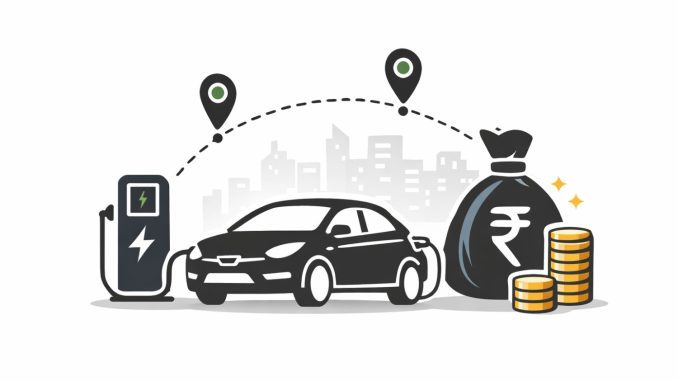
Electric mobility startup Oor Cabs has raised ₹25 crore in fresh funding to expand its electric vehicle (EV) cab network, marking a significant step in India’s growing clean transportation ecosystem.
The funding round is expected to strengthen the company’s EV fleet, charging infrastructure, and driver network as demand for sustainable urban transport continues to rise. The development comes at a time when Indian cities are pushing for lower emissions and cleaner mobility solutions.
For the electric mobility sector, this investment signals continued investor confidence in EV-based ride-hailing models.
Funding Details: ₹25 Crore Boost for Expansion
Oor Cabs has secured ₹25 crore in funding to scale its operations. The capital infusion will reportedly be used for:
• Expanding its electric cab fleet
• Setting up additional charging stations
• Improving technology infrastructure
• Strengthening driver partnerships
• Expanding into new service areas
The company aims to accelerate its footprint in key urban markets where EV adoption is gaining pace.
The funding comes amid rising interest in climate-friendly transport solutions across India.
Why This Investment Matters Now
India is witnessing steady growth in electric vehicle adoption.
Government policies at both central and state levels have introduced incentives for EV buyers and fleet operators. Programs such as FAME (Faster Adoption and Manufacturing of Electric Vehicles) have played a role in supporting the transition.
At the same time, rising fuel prices and increasing awareness about pollution have made electric mobility more attractive.
Oor Cabs’ funding aligns with this broader shift toward cleaner transportation systems.
What Is Oor Cabs?
Oor Cabs is an electric vehicle-focused mobility service provider operating in select Indian cities. The company positions itself as a sustainable alternative to traditional fuel-based ride-hailing services.
By operating an all-electric fleet, Oor Cabs aims to reduce carbon emissions while offering competitive pricing and reliable service.
The company works with EV manufacturers and charging partners to maintain fleet efficiency.
As urban air quality concerns grow, such EV-first models are gaining relevance.
India’s EV Mobility Landscape in 2026
Electric mobility in India has evolved rapidly in recent years.
Key trends include:
• Increase in EV registrations
• Expansion of charging infrastructure
• Entry of new EV startups
• Traditional cab operators adding electric fleets
Several ride-hailing platforms have also introduced electric vehicle options as part of sustainability goals.
The Indian government has set ambitious targets to increase EV penetration in both private and commercial segments.
Investments like Oor Cabs’ ₹25 crore funding reflect growing momentum in this space.
How the Funds Will Be Used
The newly secured capital is expected to be deployed strategically.
Fleet Expansion
A large portion of the funds will likely go toward adding more electric cars to the fleet. Increasing vehicle availability helps reduce wait times and improve customer satisfaction.
Charging Infrastructure
Charging remains one of the biggest challenges in EV adoption. Oor Cabs is expected to invest in setting up or partnering for fast-charging stations.
Reliable charging networks reduce downtime and increase operational efficiency.
Technology Upgrades
Modern mobility companies rely heavily on digital platforms.
The company may enhance its mobile app, driver dashboards, and fleet management systems to improve service quality and tracking.
Driver Incentives and Training
EV fleet growth requires trained drivers who understand battery management and charging cycles.
Part of the funding could be allocated toward onboarding and training new drivers.
Impact on Urban Mobility
The expansion of electric cab services offers several benefits:
• Reduced tailpipe emissions
• Lower noise pollution
• Lower operating costs over time
• Improved air quality in cities
In cities like Bengaluru, Chennai, Hyderabad, and Delhi, traffic congestion and pollution remain serious concerns.
Electric fleet expansion can contribute to sustainable urban transport planning.
Investor Confidence in EV Startups
Over the past few years, Indian EV startups have attracted significant investment.
Investors are focusing on:
• Battery technology
• Charging networks
• Fleet electrification
• Software-driven mobility platforms
The ₹25 crore funding for Oor Cabs indicates that investors continue to see long-term potential in EV ride-hailing models.
This comes despite challenges such as high upfront vehicle costs and charging limitations.
Challenges Facing EV Fleet Operators
While growth prospects are strong, EV fleet operators face certain challenges:
• Battery replacement costs
• Charging station availability
• Range limitations
• Infrastructure gaps in smaller cities
Addressing these issues will be crucial for long-term sustainability.
Government support and private partnerships remain key to overcoming infrastructure barriers.
Policy Support for EV Growth
India’s EV push is backed by policy measures including:
• Subsidies under FAME schemes
• State-level EV incentives
• Lower GST rates on electric vehicles
• Scrappage policies encouraging cleaner transport
Several states also offer road tax exemptions and registration benefits for EVs.
Such measures create a supportive environment for companies like Oor Cabs to expand operations.
Customer Demand and Market Potential
Consumers are increasingly open to choosing electric cabs.
Reasons include:
• Environmental awareness
• Smooth driving experience
• Competitive pricing
• Corporate sustainability commitments
Corporate clients, in particular, are seeking green mobility solutions to reduce carbon footprints.
The Indian ride-hailing market continues to grow, providing ample space for EV-based models.
Competition in the EV Ride-Hailing Space
The EV cab segment includes startups and traditional mobility companies.
Large ride-hailing platforms have announced plans to electrify parts of their fleet.
However, EV-first startups like Oor Cabs differentiate themselves by focusing solely on electric vehicles.
This specialised approach can allow tighter cost control and brand positioning as a green mobility provider.
Long-Term Outlook for Oor Cabs
With ₹25 crore in fresh funding, Oor Cabs has the opportunity to strengthen its market presence.
Key success factors will include:
• Efficient fleet management
• Strong charging partnerships
• Customer trust and reliability
• Competitive pricing
If executed well, the company could expand into additional metro cities and high-demand corridors.
The EV ecosystem is still evolving, offering room for innovation and collaboration.
Conclusion
Oor Cabs’ ₹25 crore funding marks a significant step forward for India’s electric mobility sector.
As cities push for cleaner air and sustainable transport solutions, EV-focused ride-hailing companies are gaining traction.
The investment reflects growing confidence in electric fleets as a viable and scalable business model.
While challenges remain, strategic deployment of funds into fleet expansion, charging infrastructure, and technology can strengthen Oor Cabs’ position in the competitive mobility landscape.
For India’s clean transport ambitions, developments like this underline the steady shift toward an electric future.
Disclaimer: The information presented in this article is intended for general informational purposes only. While every effort is made to ensure accuracy, completeness, and timeliness, data such as prices, market figures, government notifications, weather updates, holiday announcements, and public advisories are subject to change and may vary based on location and official revisions. Readers are strongly encouraged to verify details from relevant official sources before making financial, investment, career, travel, or personal decisions. This publication does not provide financial, investment, legal, or professional advice and shall not be held liable for any losses, damages, or actions taken in reliance on the information provided.
Edited by Mantena sasank
Last Updated on Thursday, February 26, 2026 12:07 pm by Startup Magazine Team
About The Author
